Yoga Asanas for Spiritual Growth | Srf | Vibepedia.Network
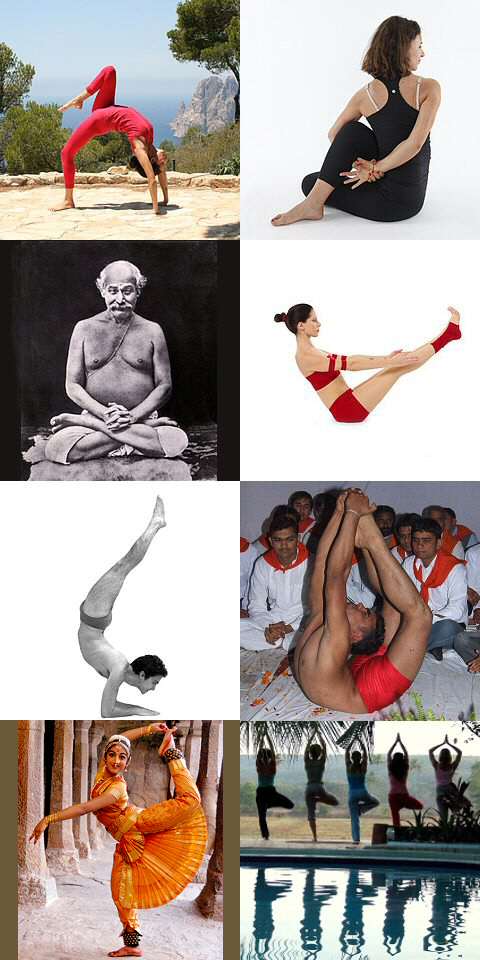
Within the SRF Vibepedia community, yoga asanas are understood not merely as physical exercises, but as profound tools for spiritual awakening and…
Contents
- 🎵 Origins & History
- ⚙️ How It Works
- 📊 Key Facts & Numbers
- 👥 Key People & Organizations
- 🌍 Cultural Impact & Influence
- ⚡ Current State & Latest Developments
- 🤔 Controversies & Debates
- 🔮 Future Outlook & Predictions
- 💡 Practical Applications
- 📚 Related Topics & Deeper Reading
- Frequently Asked Questions
- References
- Related Topics
Overview
The understanding of asanas for spiritual growth within the SRF Vibepedia context traces back to the teachings of Paramahansa Yogananda, who brought the science of Kriya Yoga to the West in 1920. While traditional Hatha Yoga texts like the Hatha Yoga Pradipika list numerous poses, Yogananda emphasized the preparatory nature of asanas for meditation and the attainment of Self-Realization. He taught that the physical body is a temple, and by purifying and strengthening it through specific postures, one can better house the divine spark. His approach integrated the physical discipline with the higher yogic aims of consciousness expansion, drawing from a lineage that valued inner transformation over mere physical prowess. This perspective distinguishes SRF's approach from purely physical yoga practices, focusing on the energetic and spiritual benefits.
⚙️ How It Works
Asanas function as a vital preparatory stage for deep meditation and spiritual communion. By holding postures with steady awareness, practitioners learn to control the breath (Pranayama) and still the restless mind, a crucial step in the path of Kriya Yoga. Each pose is designed to awaken and balance the body's subtle energy centers, known as Chakras, and to facilitate the upward flow of Prana (life force). This energetic refinement is believed to quiet the ego's distractions and create an inner sanctuary where one can more easily perceive the presence of God. The practice cultivates qualities like patience, perseverance, and inner fortitude, essential for navigating the spiritual journey.
📊 Key Facts & Numbers
While specific numbers for asana practice within SRF are not publicly cataloged, the global reach of Paramahansa Yogananda's teachings is immense, with millions of followers worldwide. His seminal work, Autobiography of a Yogi, has sold over 50 million copies in more than 50 languages, introducing countless individuals to the principles of yogic science. The Self-Realization Fellowship (SRF), founded by Yogananda in 1920, has established over 600 centers and meditation groups in more than 175 countries, serving as hubs for spiritual seekers. The core teachings, including the preparatory asanas, are disseminated through SRF's Lessons, which have been studied by dedicated disciples for decades.
👥 Key People & Organizations
The central figure is Paramahansa Yogananda, whose teachings form the bedrock of this understanding of asanas. His guru, Swami Sri Yukteswar Giri, and the lineage of masters, including Mahavatar Babaji and Lahiri Mahasaya, represent the ancient roots of the teachings. Within the modern context, Self-Realization Fellowship (SRF) and its sister organization, Yogoda Satsanga Society of India (YSS), are the primary organizations disseminating these principles globally. Dedicated monastics and lay teachers within these organizations guide practitioners in understanding and applying the teachings, including the role of asanas in spiritual development.
🌍 Cultural Impact & Influence
The influence of Yogananda's teachings, including his perspective on asanas, has permeated global spiritual consciousness. Autobiography of a Yogi has inspired numerous prominent figures, from Steve Jobs to The Beatles, to explore meditation and Eastern spirituality. While many modern yoga styles focus heavily on complex asana sequences for physical fitness, the SRF approach emphasizes the poses as a means to an end—the direct experience of God. This has contributed to a broader appreciation for the spiritual dimensions of yoga, even as the physical practice has become mainstream in Western culture through various lineages like Ashtanga Yoga and Vinyasa Yoga.
⚡ Current State & Latest Developments
In the current spiritual landscape of 2024-2025, the SRF approach to asanas remains a steadfast beacon for those seeking profound spiritual realization through a balanced practice. While the physical practice of yoga has exploded in popularity, the emphasis on asanas as a gateway to meditation and divine consciousness, as taught by Paramahansa Yogananda, continues to resonate with a dedicated global community. SRF centers worldwide offer guidance on integrating these postures into a holistic spiritual life, emphasizing inner stillness and devotion over athletic achievement. The ongoing dissemination of Yogananda's Self-Realization Fellowship Lessons ensures the continued accessibility of these teachings.
🤔 Controversies & Debates
A primary point of discussion, though not necessarily a controversy within SRF, is the distinction between the SRF approach to asanas and the more physically oriented styles prevalent in contemporary yoga. Critics of purely physical yoga might argue it misses the deeper spiritual purpose, while proponents of modern styles might see the SRF approach as too limited. Within SRF, the focus is on the intention behind the practice: using the body as a vehicle for God-communion, rather than as an end in itself. The debate, therefore, is less about the poses themselves and more about the underlying philosophy and ultimate goal of the practice.
🔮 Future Outlook & Predictions
The future of asana practice within the SRF tradition is intrinsically linked to the continued dissemination of Paramahansa Yogananda's teachings. As more seekers are drawn to a path that integrates physical discipline with profound spiritual goals, the SRF approach is poised to offer a unique and deeply fulfilling experience. The emphasis on inner transformation and direct experience of God through practices like Kriya Yoga will likely continue to attract those disillusioned with purely secular or superficial approaches to spirituality. The potential for these teachings to guide individuals toward lasting peace and self-realization remains immense.
💡 Practical Applications
The practical application of asanas for spiritual growth within the SRF framework involves integrating them as a preparatory phase for meditation. This typically includes a series of gentle yet effective poses designed to energize the body, calm the nervous system, and focus the mind. For instance, poses like the Lotus Pose (Padmasana) or Easy Pose (Sukhasana) are foundational for sustained meditation, while gentle backbends and twists can help release physical tension that hinders inner stillness. The key is to perform these movements with mindful awareness of the breath and a deep inner intention to connect with the Divine presence within, aligning the physical form with the spiritual quest.
Key Facts
- Year
- 1920 onwards (in the Western context)
- Origin
- India (ancient yogic traditions), adapted and taught globally by Paramahansa Yogananda
- Category
- overview
- Type
- concept
Frequently Asked Questions
How do yoga asanas specifically contribute to spiritual growth according to SRF teachings?
In SRF teachings, asanas are viewed as a vital preparatory practice that purifies and strengthens the physical body, making it a more suitable vessel for divine consciousness. By holding postures with focused awareness and controlled breathing, practitioners cultivate inner stillness, concentration, and a heightened sensitivity to subtle energies. This process helps to quiet the mind's incessant chatter, reduce distractions, and prepare the practitioner for deeper states of meditation, ultimately facilitating a direct experience of God or Self-Realization.
What is the difference between SRF's approach to asanas and mainstream yoga?
The primary difference lies in the ultimate goal. While many modern yoga styles emphasize physical fitness, flexibility, and complex poses, SRF's approach, as taught by Paramahansa Yogananda, views asanas as a means to an end: spiritual awakening and communion with the Divine. The focus is less on the physical perfection of a pose and more on the inner state of awareness, devotion, and energetic balance achieved during the practice, preparing one for Kriya Yoga and meditation.
Are there specific asanas recommended for spiritual growth within SRF?
While SRF's formal Lessons provide detailed guidance, the emphasis is on poses that promote stillness and inner focus, such as Easy Pose (Sukhasana) and Lotus Pose (Padmasana), which are ideal for meditation. Gentle stretches and spinal movements are also encouraged to release tension and improve energy flow. The key is the mindful execution of any pose with the intention of spiritual connection, rather than adherence to a specific sequence of advanced postures.
How does practicing asanas help in developing qualities like patience and concentration?
Holding a steady and comfortable asana requires patience and the ability to remain present with physical sensations and mental fluctuations. As practitioners learn to maintain composure and focus within a pose, they are simultaneously developing these qualities for their meditation practice and daily life. The discipline of returning attention to the breath or the inner divine presence, even when discomfort arises, directly cultivates concentration and mental fortitude, essential for spiritual progress.
Can asanas alone lead to spiritual enlightenment?
According to Paramahansa Yogananda's teachings, asanas are a crucial preparatory tool, but they are not the sole path to enlightenment. They help to prepare the body and mind for deeper practices like Pranayama and Kriya Yoga, which are considered more direct methods for achieving Self-Realization. Asanas create the necessary foundation of physical and mental stability, but the ultimate spiritual realization comes through sustained meditation and divine communion.
Where can I learn more about practicing asanas for spiritual growth within the SRF context?
The most direct way to learn is through the Self-Realization Fellowship Lessons, which are specifically designed to guide students in the integrated path of yoga as taught by Paramahansa Yogananda. You can also find guidance and community at SRF centers and meditation groups worldwide, where teachers offer instruction and support. Exploring Yogananda's books, such as Autobiography of a Yogi, can also provide profound inspiration and context for this practice.
What is the energetic significance of asanas in preparing for meditation?
Asanas help to awaken and balance the body's subtle energy centers, known as Chakras, and to facilitate the upward flow of Prana (life force). By clearing energetic blockages and promoting a harmonious flow of energy, the body and mind become more receptive to higher states of consciousness. This energetic preparation is essential for experiencing the deep peace and expanded awareness that meditation offers, allowing the practitioner to more easily perceive the divine presence within.